| Anastasios Sextos |
Over the past 20 years, I have had the privilege of collaborating closely with colleagues in China. The progress over this period has been continuous and, by any objective measure, remarkable. A recent visit to Tianjin University and Tongji University reinforced this view and triggered several reflections.
1️⃣ 𝗜𝗻𝗳𝗿𝗮𝘀𝘁𝗿𝘂𝗰𝘁𝘂𝗿𝗲 𝗮𝘁 𝗮 𝗱𝗶𝗳𝗳𝗲𝗿𝗲𝗻𝘁 𝘀𝗰𝗮𝗹𝗲
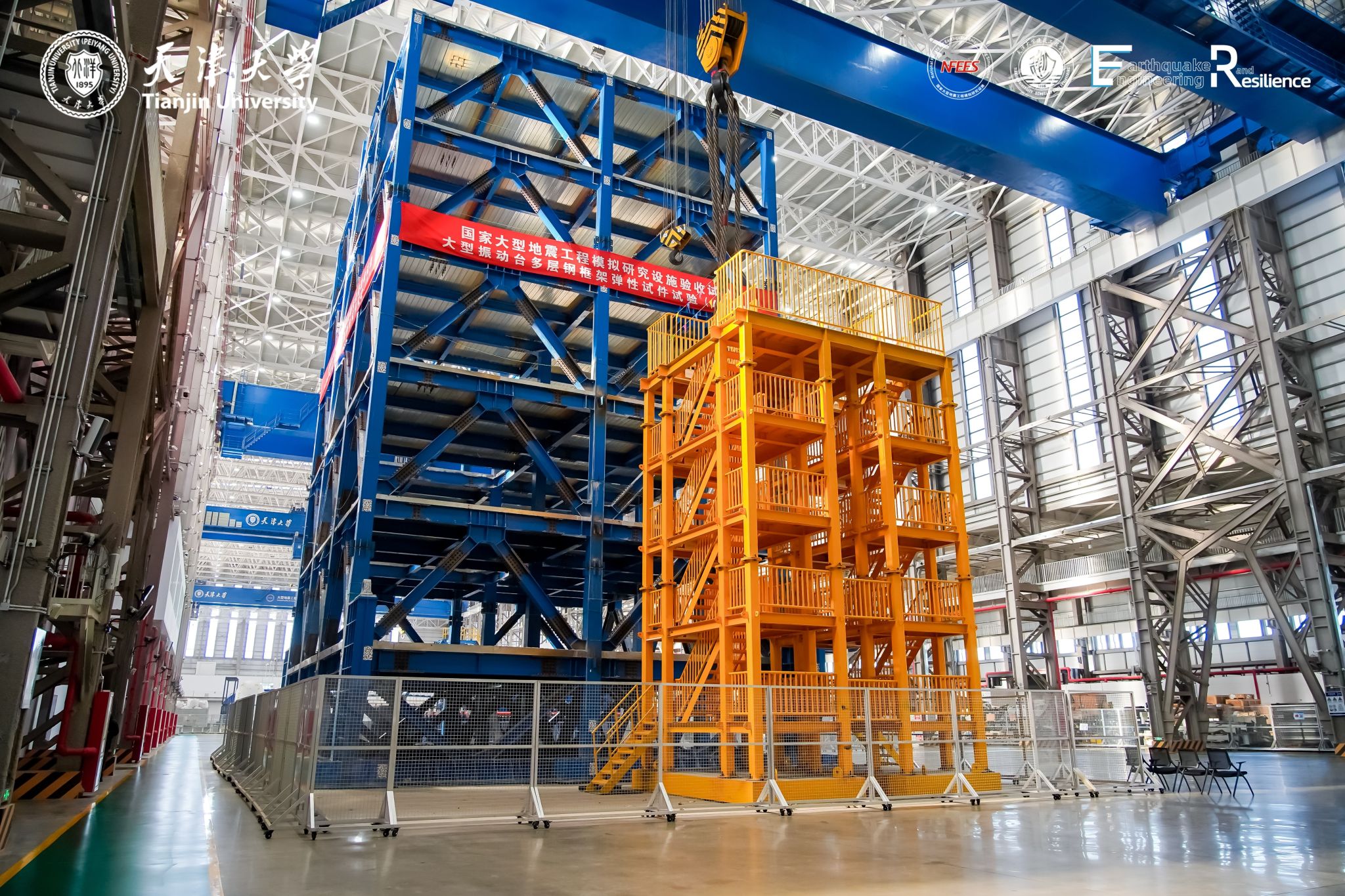
The scale and ambition of investment in cutting-edge experimental infrastructure are striking. Facilities such as the 1,350-ton (20 × 16 m) shaking table of NFEES in Tianjin—together with three underwater earthquake simulators—and the multiple shaking tables and multi-hazard laboratories at Tongji University are raising global standards for large-scale testing. Compared with the generally smaller capacities in Europe and, to some extent, the US, and given the very different operational business models, the Chinese paradigm shift in facility investment is a critical issue for the international community to reflect upon.
2️⃣ 𝗠𝘂𝗹𝘁𝗶-𝗵𝗮𝘇𝗮𝗿𝗱 𝘁𝗵𝗶𝗻𝗸𝗶𝗻𝗴 𝗶𝘀 𝗯𝗲𝗰𝗼𝗺𝗶𝗻𝗴 𝘁𝗵𝗲 𝗻𝗼𝗿𝗺
The emphasis on multi-hazard research is timely. Climate change, rapid urbanization, and the evolving civil infrastructure portfolio at risk demand deeper international collaboration across North America, Europe, and Asia, particularly through joint use of non-sensitive environmental, seismic, social, and infrastructure performance data.
3️⃣ 𝗔𝗜 𝗶𝘀 𝗵𝗲𝗿𝗲 𝘁𝗼 𝘀𝘁𝗮𝘆
While today’s “AI” in our field is still largely advanced machine-learning–based data processing and prediction, progress in computer science is far outpacing change in the traditionally conservative civil engineering sector. This gap will inevitably reshape how structures are designed, assessed, and operated, and it calls for a serious revision of university curricula, with stronger integration of computer science and new materials science.
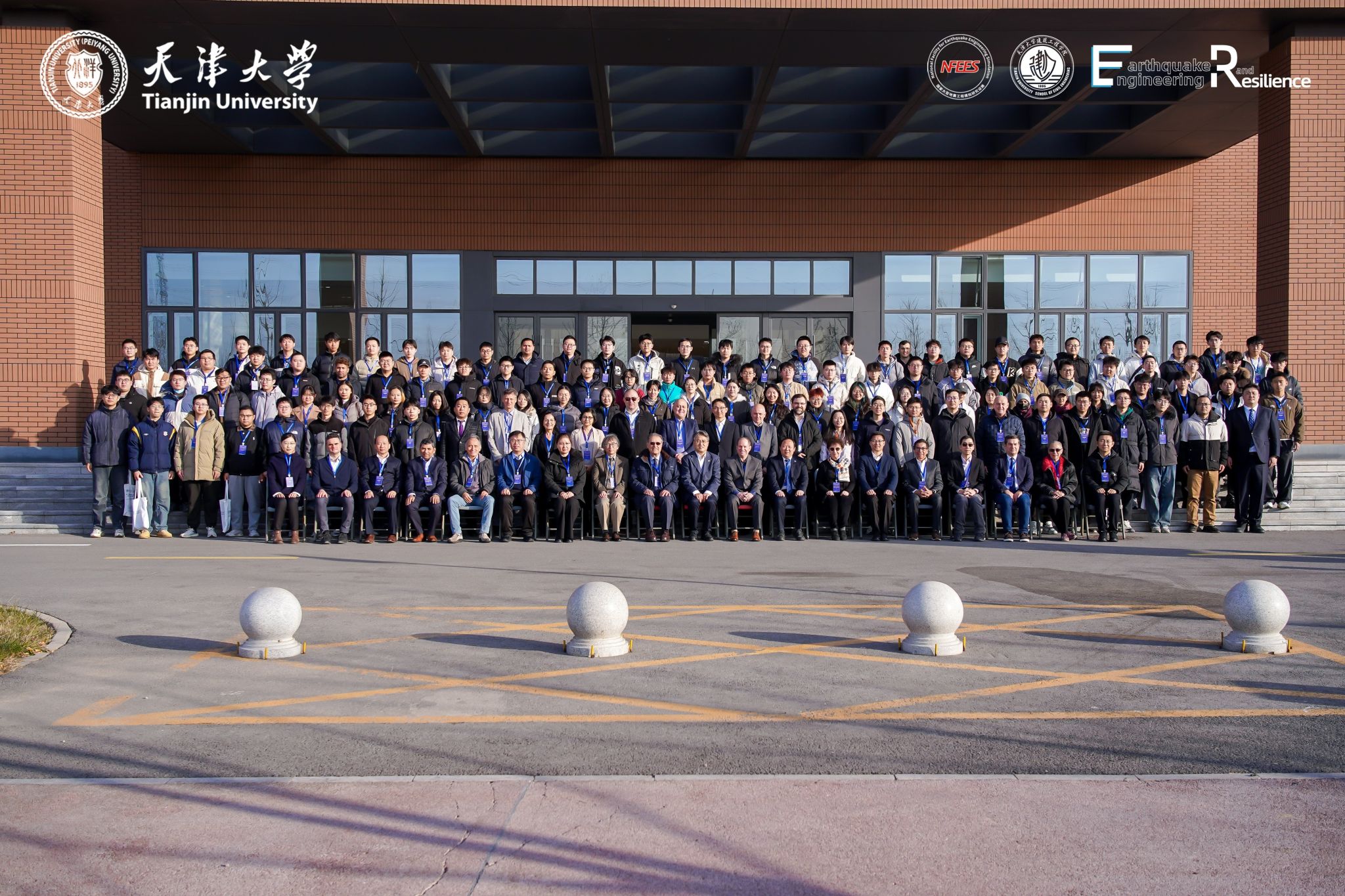
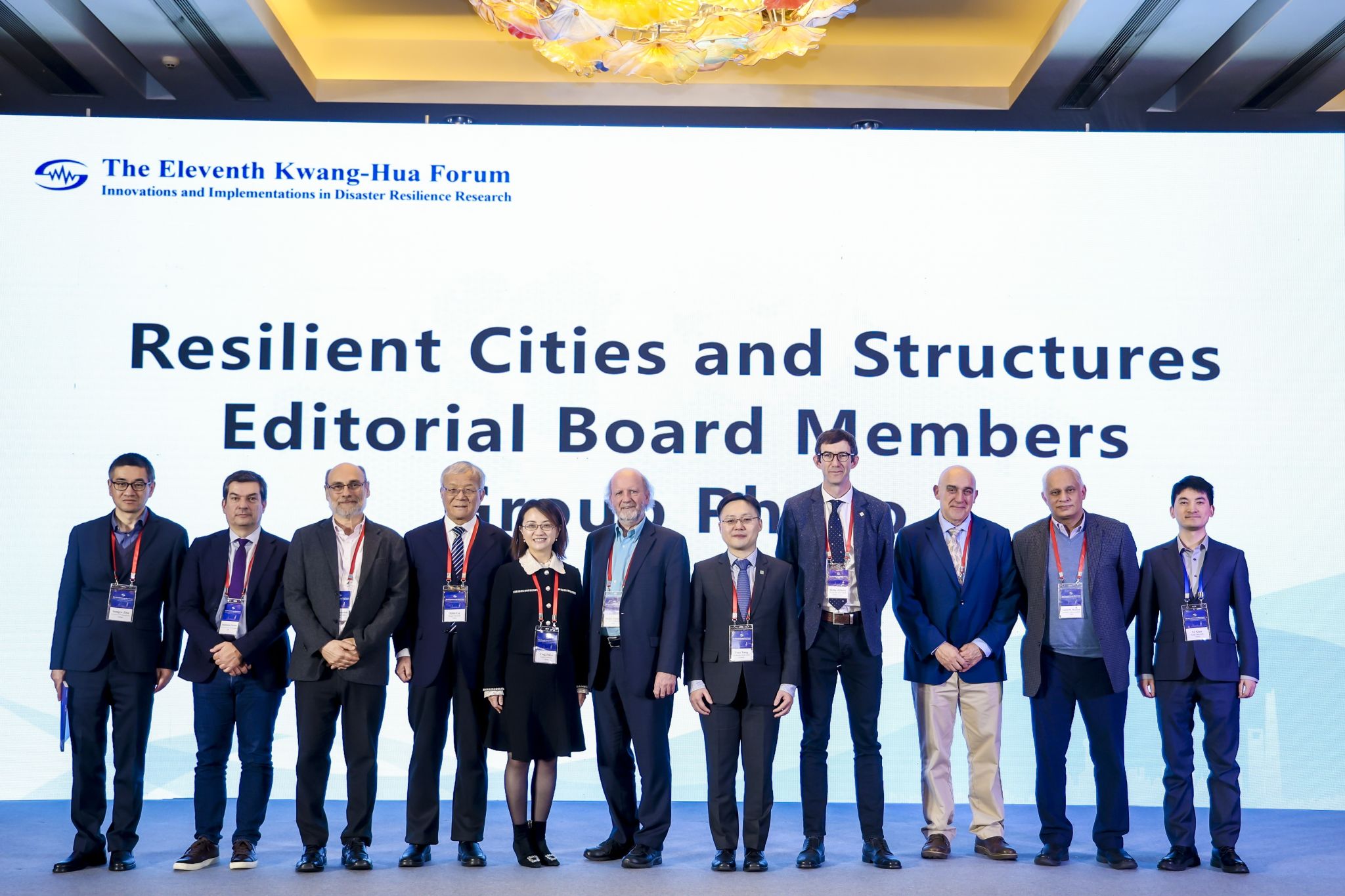
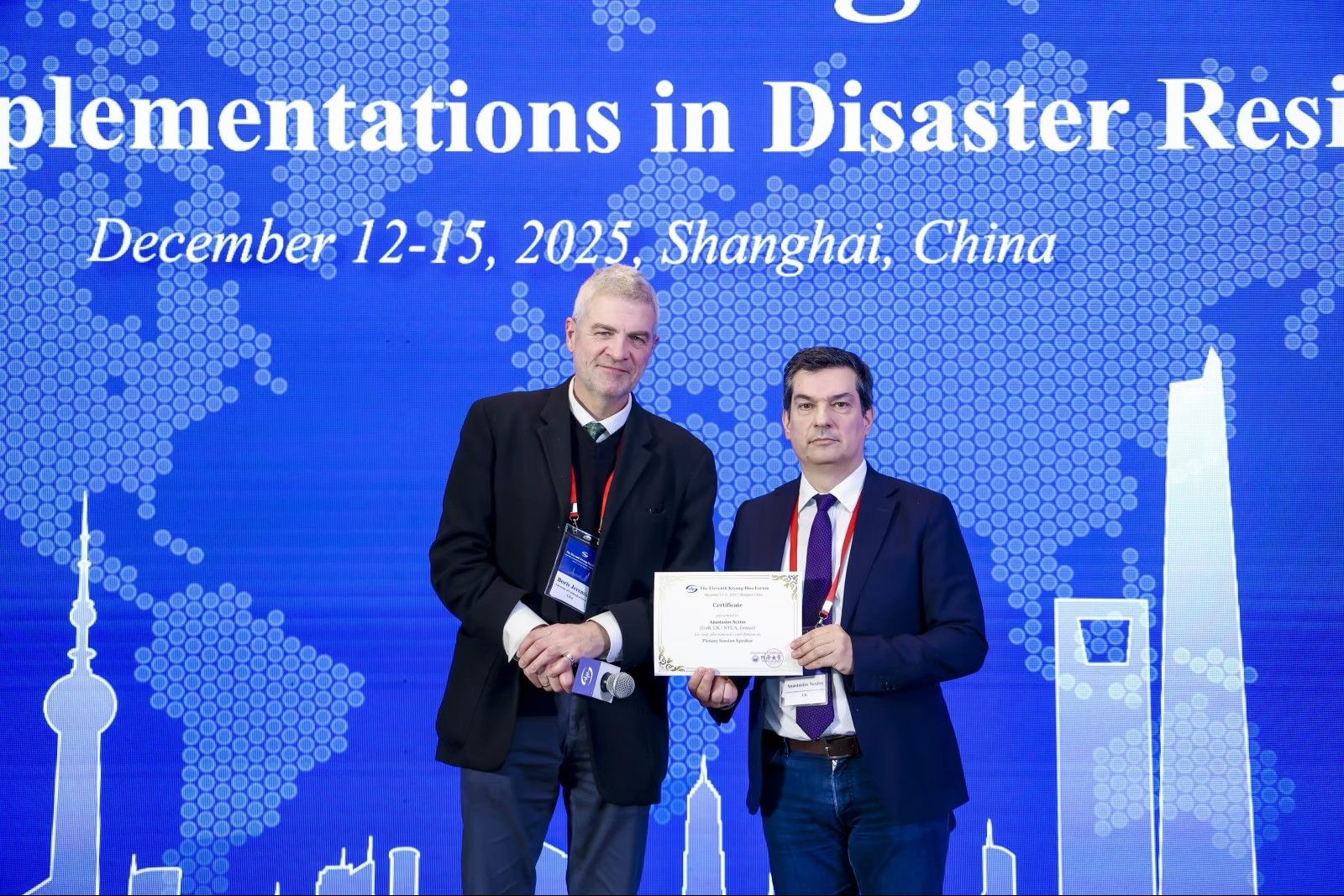
My sincere thanks to Professor Jie Xu (Tianjin University) and Professors Ying Zhou and Hao Wu (Tongji University) for the kind invitations to serve as keynote and plenary speaker at the prestigious 6th International Forum of NFEES on the seismic resilience of urban infrastructure and the 11th Kwang-Hua Forum on innovations and implementations in disaster resilience research, respectively.
hashtagInfrastructureResilience hashtagLargeScaleTesting hashtagEarthquakeEngineering hashtagMultiHazard hashtagAIinEngineering
University of Bristol SoFSI: The UKCRIC Soil-Foundation-Structure Interaction Laboratory School of Civil, Aerospace and Design Engineering (CADE) – University of Bristol
National Technical University of Athens School of Civil Engineering, NTUA